
The practice
What is Qigong?
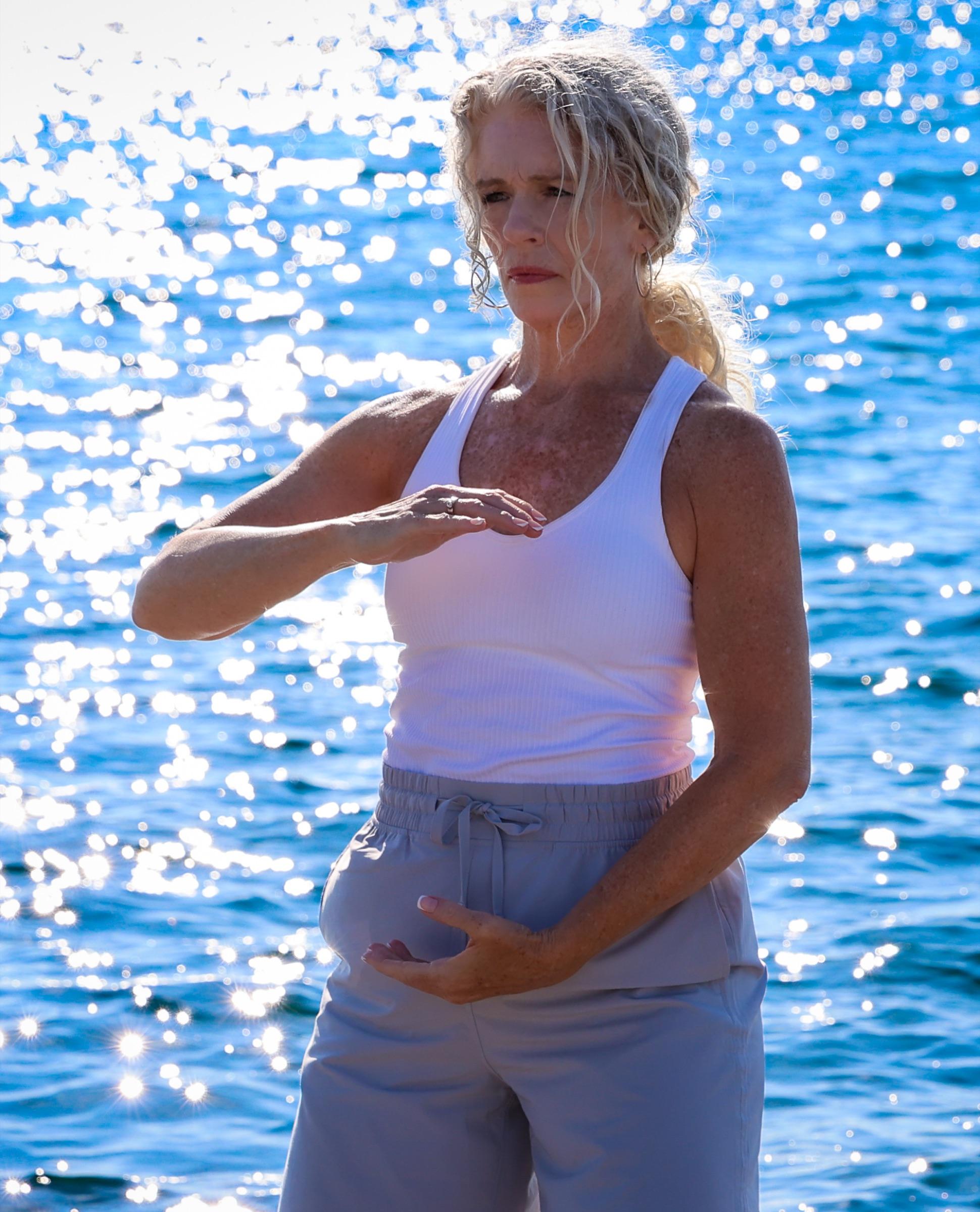
Qigong (pronounced ‘chee-gong’) is a centuries-old practice that blends three simple things: breath, slow movement and stillness. Sometimes called the grandmother of Tai Chi, Qigong offers the kind of wisdom carried through generations: gentle, nurturing and deeply rooted in the connection between breath, body and mind.
How it works
Breath, movement, stillness
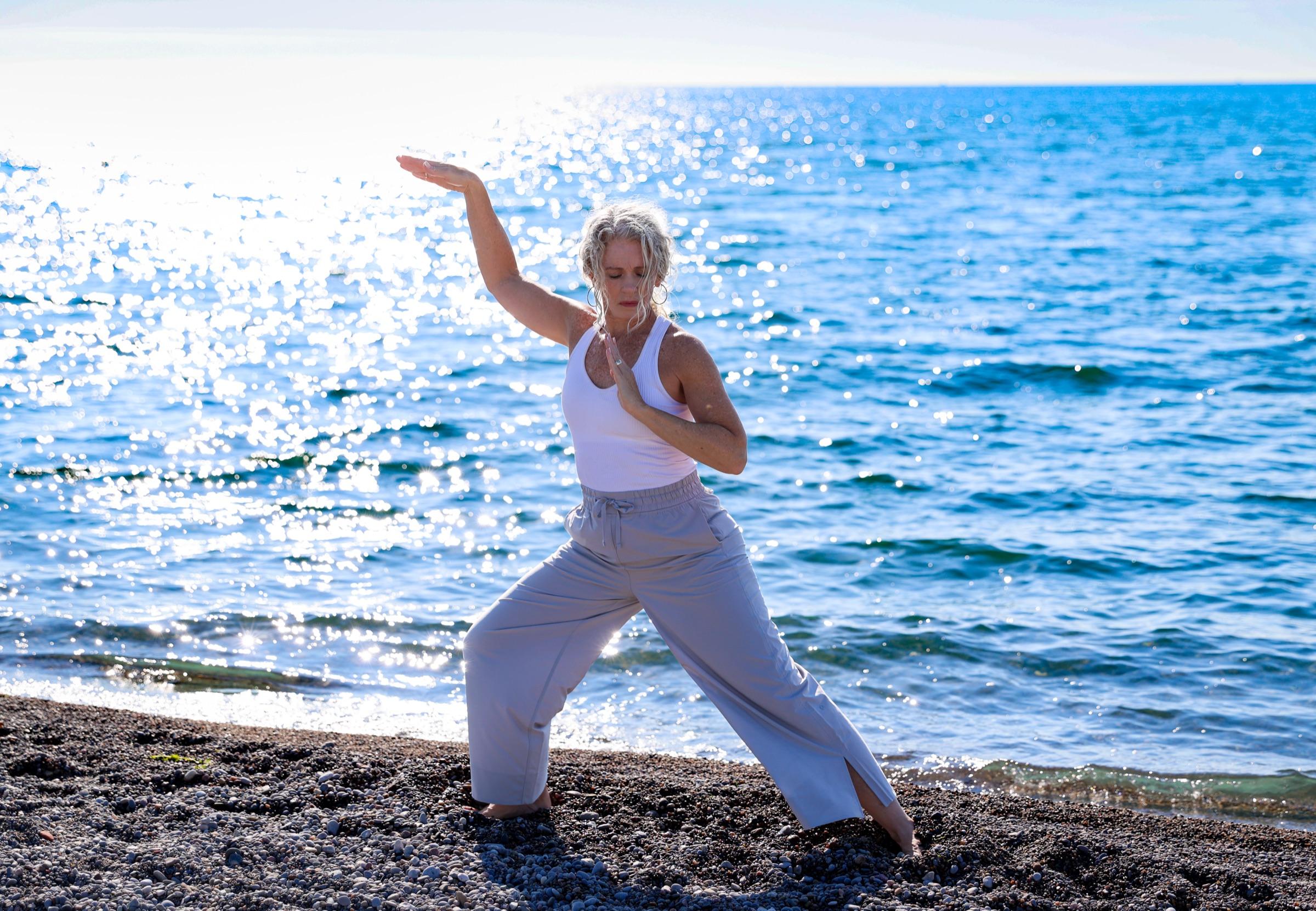
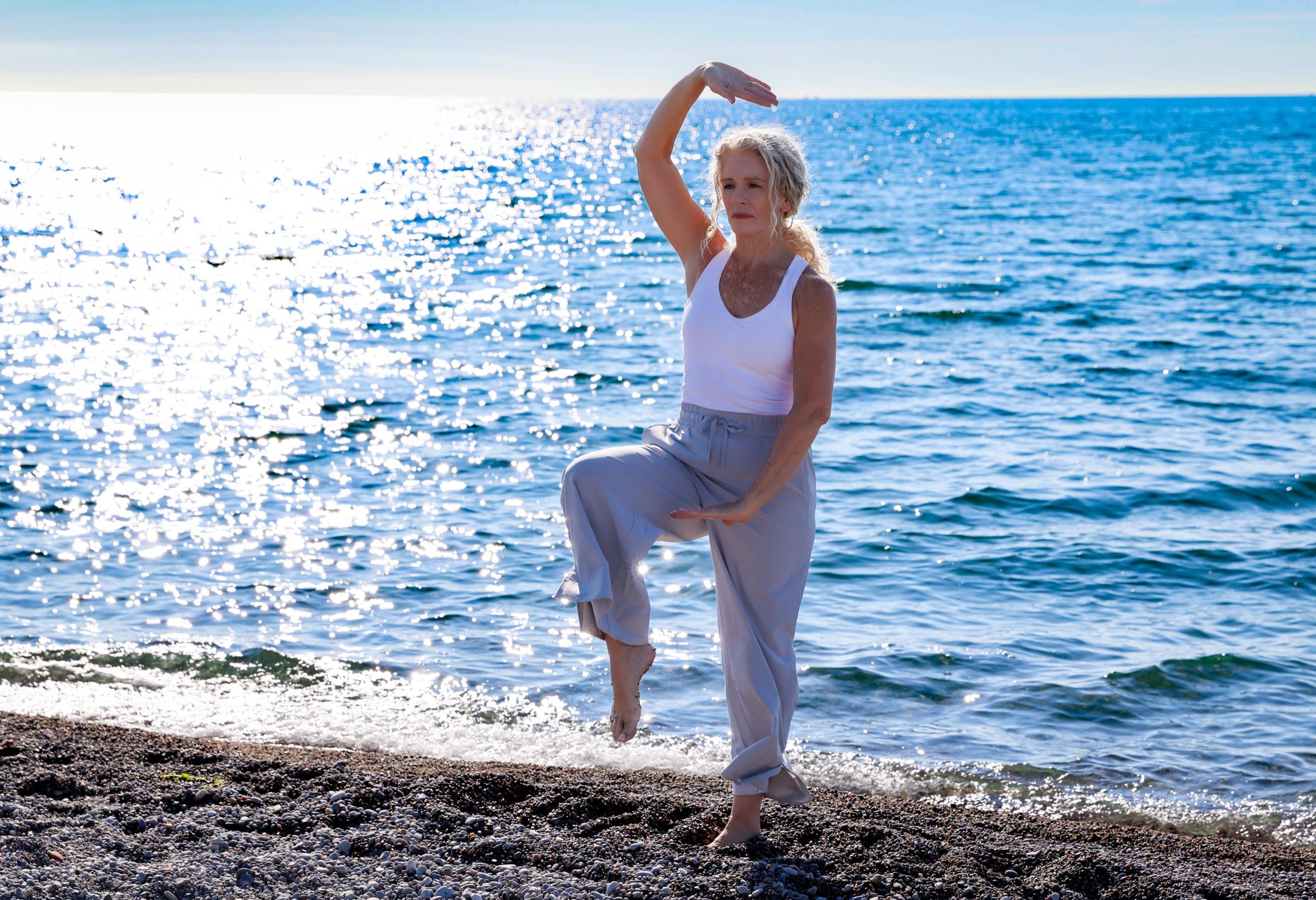
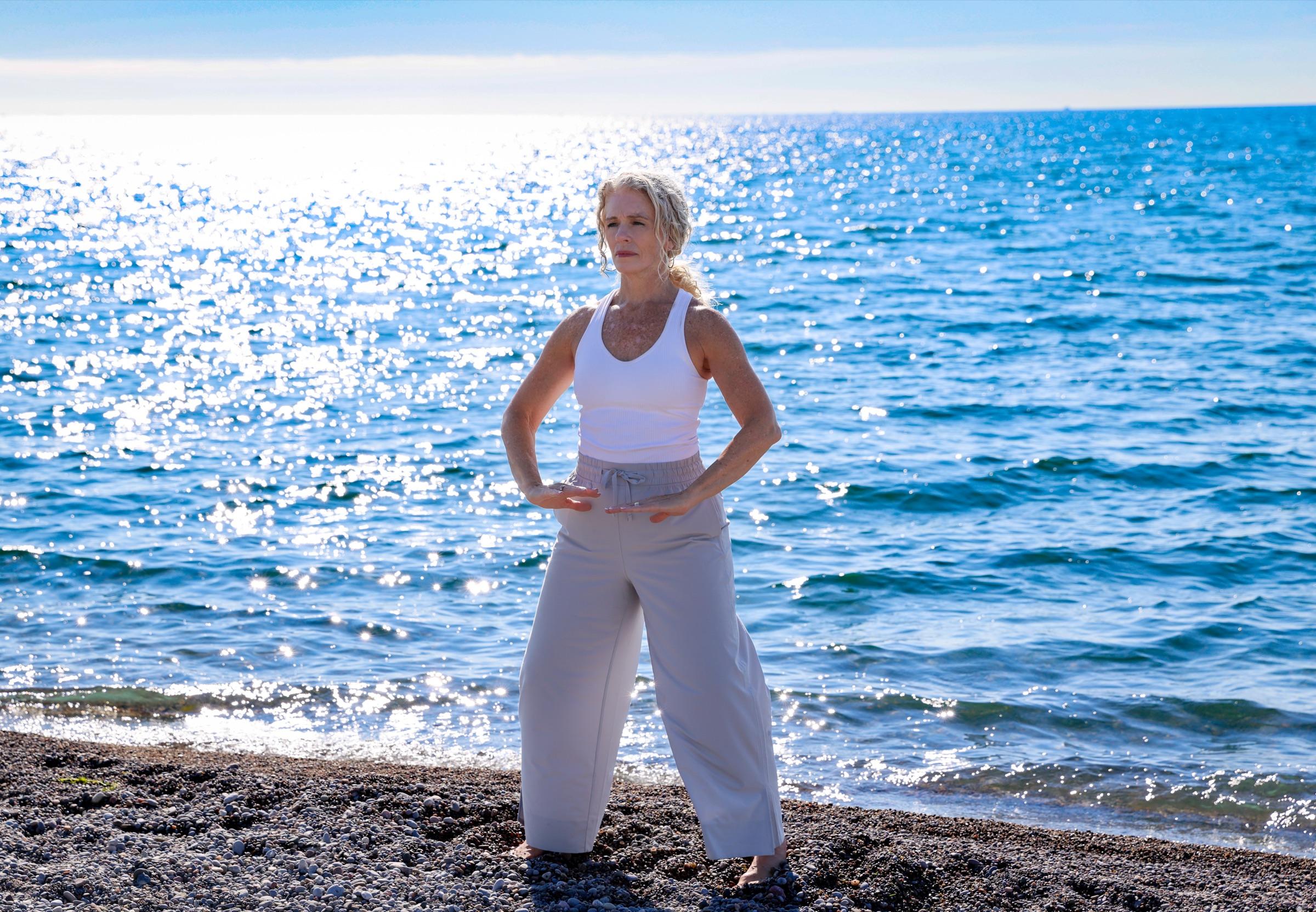
A class is a series of slow, flowing movements paired with the breath (gathering, pressing, releasing), repeated until the body settles into them. The movements are easy to follow the very first time you see them. There is no choreography to memorize, no sequence to keep up with, and no posture to hold until it hurts.
Each practice ends with a few minutes of stillness. For many people, those minutes are the first genuinely quiet ones of the day.
What it helps with
Gentle on the body, steady in its effects
- Improves flexibility and balance
- Reduces chronic pain and inflammation
- Relieves stress and anxiety
- Promotes relaxation and better sleep
- Supports longevity and vitality
A reset in five to seven minutes
You don’t need a full class to feel a difference. Even five to seven minutes of slow breath and movement can help shift the nervous system out of its alert, braced state and toward rest, which is why so many people use short practices in the middle of a working day.
The practice in pictures
Come as you are
What you don’t need
- No mat and no equipment. There is no floor work at all.
- No experience. Most people in the room started with none.
- No flexibility or fitness level to reach first.
- A chair is fine: every movement can be done seated.
- Your camera off is fine, if that’s what makes it possible to show up.
Who it’s for
People come to Qigong carrying stress, chronic pain, burnout, or a body that other exercise has been unkind to. Students at Pomsoul are in their thirties through their seventies: recovering from illness or injury, on their feet all day or at a desk all day, and quite often people who tried yoga and found it wasn’t for them. If you can breathe and move slowly, this practice is available to you.
Start here
The easiest way to understand Qigong is to try it
Three live classes, free. No card and nothing to cancel.
Questions first? Email info@pomsoul.com.